
Most Relationship Fights Start Long Before the Argument
Most couples think the problem starts when voices get louder, feelings get hurt, or one partner storms out of the room.

In reality, relationship conflicts often begin much earlier.
By the time a couple is arguing, defending themselves, shutting down, or trying to prove a point, they have usually missed several warning signs along the way. Many couples begin learning to recognize these early signals through the Renew process, where they practice slowing down and staying connected before conflict takes over.
As therapists, we often teach communication skills such as active listening, validation, and "I" statements. These skills are valuable, but there is a problem: when people become emotionally activated, those skills can become difficult to access. It's hard to listen when you're feeling attacked. It's hard to stay curious when you're hurt. It's hard to communicate clearly when your nervous system is sounding an alarm.
The question is not, "How do we communicate better when we're already in the middle of a fight?"
The question is, "How do we recognize what's happening before the fight takes over?"
That's where the Relationship Traffic Light comes in.
Green Light: Connected and Regulated
Green Light is where most couples want to be.
In Green Light, you're able to listen, stay curious, give your partner the benefit of the doubt, and remain connected to your values. You may not agree on everything, but you still feel like you're on the same team.
The goal is not to stay in Green Light all the time. Life is stressful. Relationships involve differences. Disagreements are normal.
The goal is simply to recognize when you're leaving it.
Yellow Light: The Most Important Zone
Most relationship conflicts begin in Yellow Light.
This is the zone where tension starts to build. You may notice a sense of urgency, hurt feelings, defensiveness, or the feeling that you're not being understood. Your body may become tense. You may start rehearsing arguments in your head or preparing a rebuttal before your partner has finished speaking.
Many couples don't notice Yellow Light because they are focused on what their partner is doing.
Instead of asking:
"What's wrong with my partner right now?"
Yellow Light invites us to ask:
"What is happening inside me right now?"
One of my favorite questions is:
"What happens right before the part takes over?"
For some people, a part of them worries they don't matter. For others, a part fears rejection, criticism, abandonment, failure, or loss of control. These protective parts often have good intentions, but when they take over the conversation, conflict tends to escalate.
For couples who feel stuck in these repeating escalation patterns, a relationship intensive can offer the focused structure needed to shift the dynamic more quickly.
The earlier we recognize Yellow Light, the more choices we have.
The Relationship Superhero
Researchers have found that creating psychological distance from a difficult situation can help us respond more thoughtfully. One famous line of research became known as the "Batman Effect," because children were encouraged to ask themselves, "What would Batman do?"
While Batman helped inspire the research, he is probably not the relationship expert we are looking for. His communication skills are questionable, he spends a lot of time working alone, and his dating history is complicated.
The deeper lesson is not about Batman.
It is about accessing a wiser version of ourselves.
When we are triggered, it can be helpful to ask:
"What would my wiser self do next?"
Some people think of a trusted mentor, Jesus, Buddha, a beloved grandparent, their future self, or what Internal Family Systems calls the Wise Self. The goal is not to become someone else. The goal is to access qualities we already value, such as patience, courage, compassion, curiosity, or wisdom.
Your Relationship Superhero is not the part of you that never gets triggered.
It is the part of you that notices the trigger and chooses what happens next.
The Parking Lot
Sometimes the healthiest thing a couple can do is pause.
A Parking Lot is a way to pause without abandoning the conversation.
Rather than continuing to push through while emotionally flooded, a couple agrees to return to the discussion after they have had time to regulate.
A healthy Parking Lot includes:
Naming the need for a break
Agreeing to return to the conversation
Setting a specific time to reconnect
Using the break to calm down rather than rehearse arguments
A pause is not avoidance.
A pause is a strategy for protecting connection.
Red Light: Regulation Before Resolution
In Red Light, problem-solving is no longer the goal.
When people are emotionally flooded, they often become reactive, defensive, critical, withdrawn, or shut down completely. At this point, the nervous system is working harder than the thinking brain.
Trying to solve relationship problems in Red Light is often like trying to perform surgery during an earthquake.
The first task is regulation.
The second task is repair.
Only then does problem-solving become useful.
The Goal Is Not Perfection
Many people assume emotional health means never getting triggered.
That is not the goal.
Every person has vulnerabilities. Every relationship experiences moments of tension and misunderstanding.
The goal is not perfection.
The goal is awareness.
The earlier we recognize Yellow Light, the easier it becomes to pause, access our wiser selves, and protect connection before conflict takes over.
Most relationship fights do not start when someone raises their voice.
They start much earlier.
If you can learn to recognize the Yellow Light, you may discover that many arguments can be redirected long before they ever reach Red.
If you’re already in a long‑term relationship, the Renew process can help you recognize these early signals and protect connection before conflict escalates. If you’re preparing for marriage, Engageoffers a way to build these same skills early so they become part of your foundation.
If you'd like a copy of the Relationship Traffic Light handout, including questions to help you identify your own Green, Yellow, and Red Light signals, you can request it through my website: www.engagerenewtherapy.com.
About the Author
Kathryn "Kassie" Welch is a Resident in Marriage and Family Therapy providing online therapy to couples and individuals throughout Virginia and Florida. Her work is grounded in the Gottman Method, with additional training in trauma, betrayal recovery, and neurodivergent relationships. She helps couples move beyond repeating patterns, strengthen communication, and create relationships that become a source of support rather than another source of stress.
Learn more or schedule a consultation at EngageRenewTherapy.com.

Continue Reading…
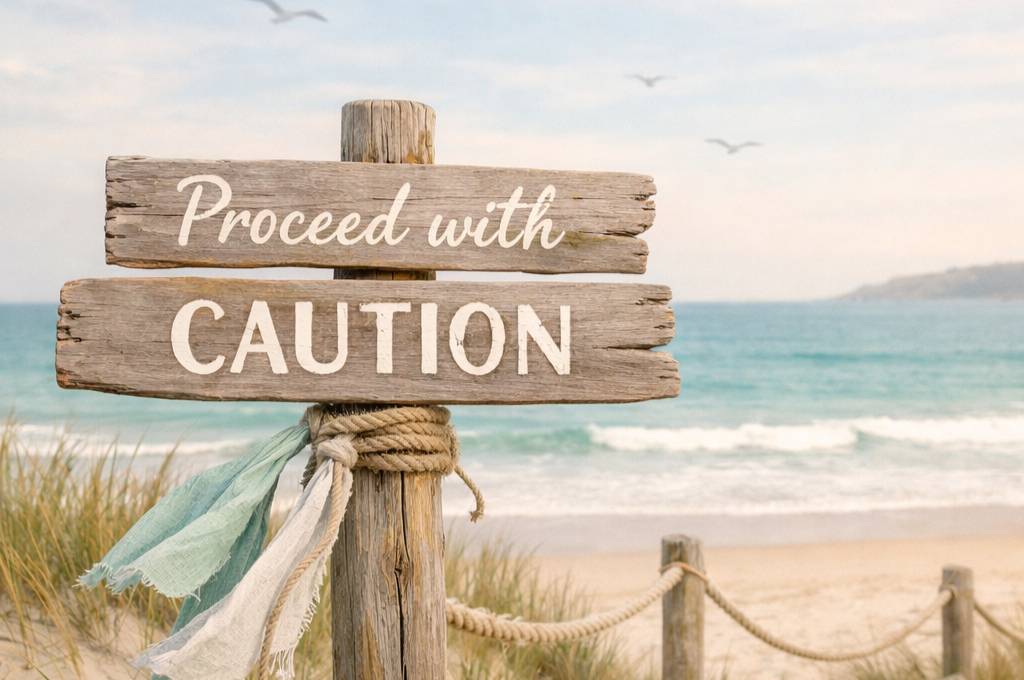
Taking space during conflict can help, but only if couples also know how to come back together afterward.
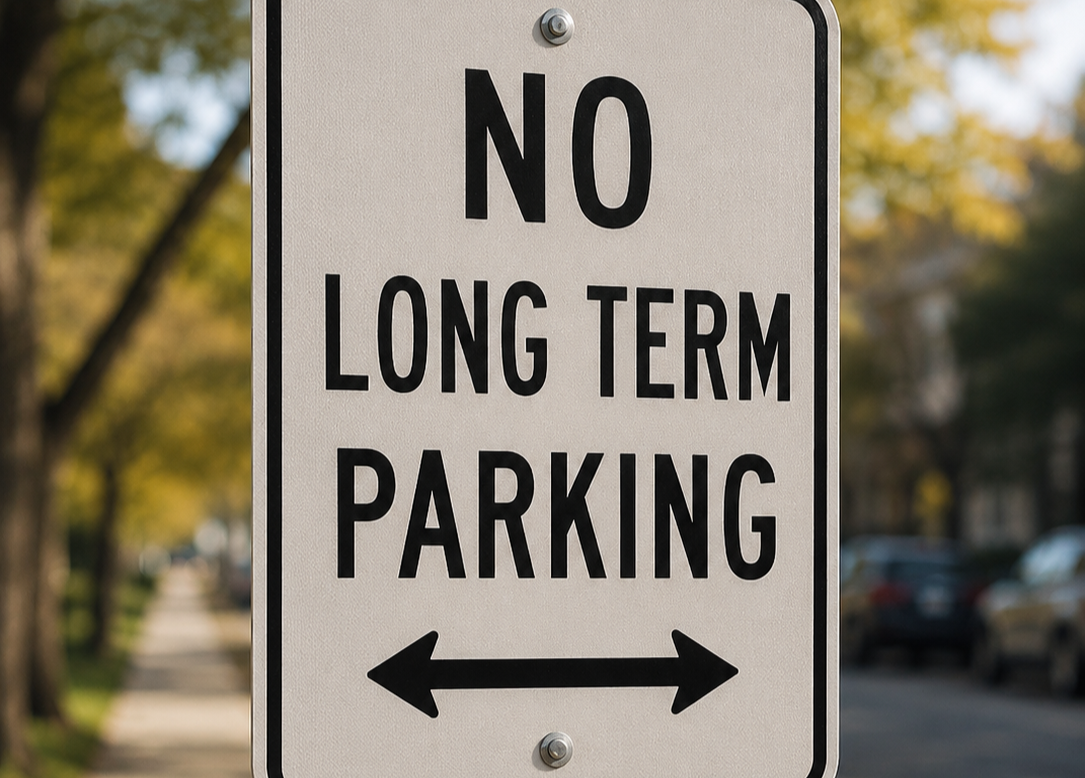
Pausing a conversation when the timing is off can actually protect your relationship.
But here is where it starts to cost you. Most couples do not have too many conflicts. They have too many unfinished ones.

When conversations speed up, connection breaks down. Slowing things down is where change begins.