
The Myth of Arrival
Why healthy relationships are gardens, not destinations
Most of us have been taught to think about growth as a destination. Once I heal. Once I find the right partner. Once I lose the weight. Once I get the promotion. Once I retire. Then I'll arrive.
The same belief often finds its way into our relationships. Once we get married. Once we buy a house. Once the kids are older. Once work settles down. Once we're out of debt. Then things will finally be easier. There is comfort in believing there is a finish line. Arrival promises relief. If we just work hard enough, perhaps one day we can finally exhale and enjoy the life or relationship we've worked so hard to build.
The problem is that you cannot arrive at a relationship because a relationship doesn't hold still. The people inside it don't hold still either.
We change. Our bodies change. Careers change. Children arrive and grow up. Parents age. People get sick. Money gets tight and sometimes loosens again. We experience losses we never anticipated and opportunities we couldn't have imagined. The relationship that worked beautifully in one season of life may need something very different in another.
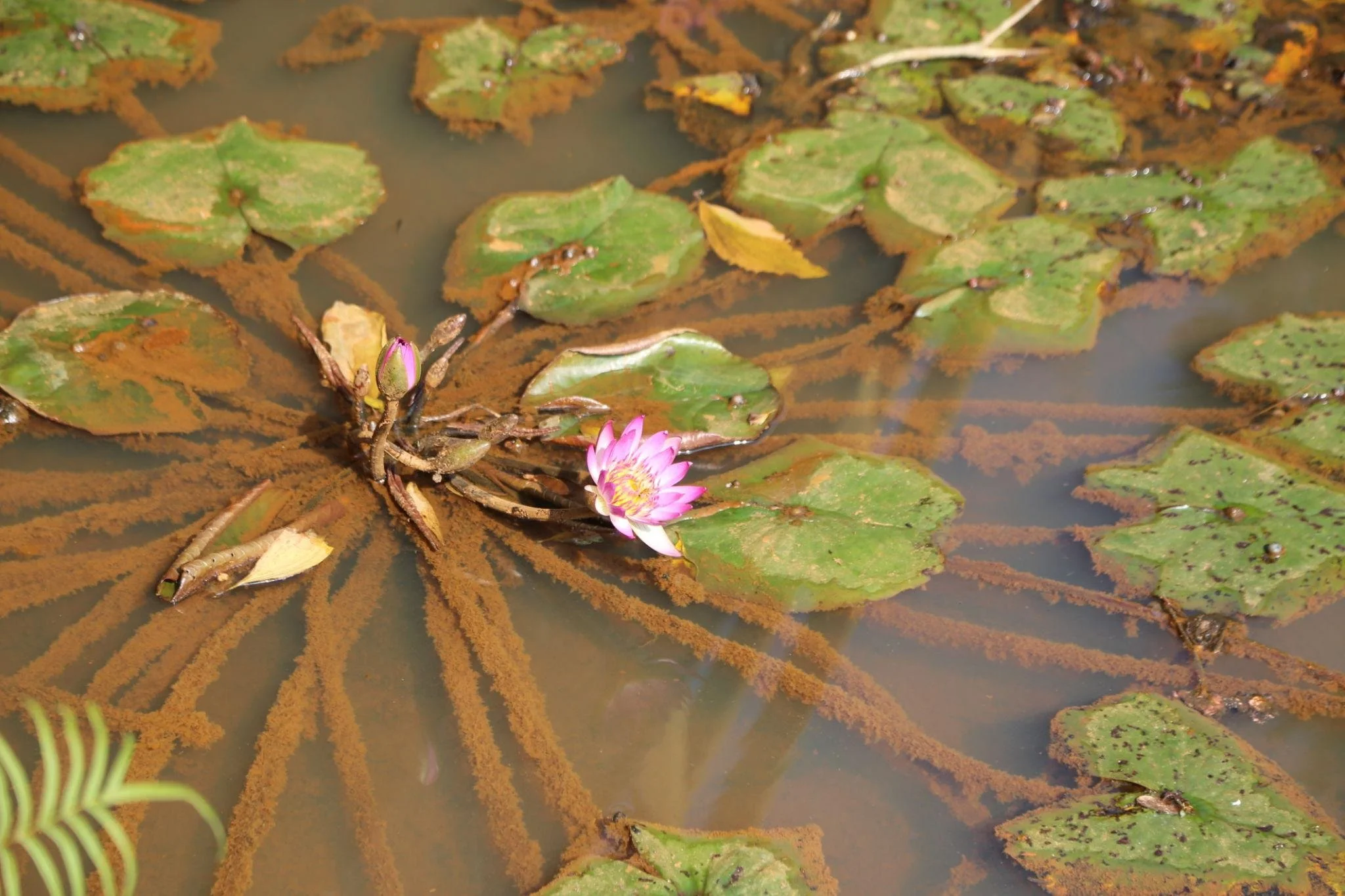
I've come to think of healthy relationships less as destinations and more like gardens. Not the perfectly landscaped gardens we see in photographs, but real ones. The kind with dirt and weeds, plants that don't grow where we thought they would, and corners we neglect because something else needed our attention.
The Garden You Planned May Not Be the Garden You Get
Most of us enter relationships carrying some picture of what our future will look like. There is nothing wrong with that. Dreams give us something to build toward. Couples make plans about careers, children, money, where they'll live, how they'll divide responsibilities, and what kind of family they want to create.
Maybe a couple agrees that when they have children, one partner will stay home while the other works. They build their plans around that vision. Then the working spouse loses a job, becomes ill, or can no longer earn what the family expected. Perhaps the stay-at-home partner needs to return to work. The original plan wasn't foolish or wrong. The conditions changed.
And now the couple has two things to deal with: the reality in front of them and the loss of the future they thought they were building.
That second part matters. Sometimes we're not only struggling with our relationship as it is; we're struggling with the distance between the relationship we have and the one we thought we were supposed to have.
Marriage shouldn't be this hard. We shouldn't still be struggling with this. We agreed this was how our life would look. Other couples seem happier. By now, we should have figured this out.
There is the marriage we're actually living, and then there is the marriage we're comparing it to.
Sometimes growth requires grieving the original plan rather than spending years demanding that reality conform to it. Hold your dreams tightly enough to build toward them and loosely enough to adapt when life changes.
If you planted roses in a particular spot and eventually discovered there wasn't enough sunlight for them to thrive, you could spend years being angry that roses won't grow there. Or you could become curious about what will.
That isn't resignation. It's responsiveness.
Real Gardens Have Muck
Gardens don't become beautiful because we watered them once. They don't stay healthy because we pulled the weeds one Saturday afternoon. Things die. Weeds come back. Storms knock things over. Sometimes something grows beautifully in a place we never intended it to grow, and sometimes yesterday's dead material becomes compost for whatever comes next.
I don't want to romanticize the muck. Suffering is painful, and not every difficult experience makes us stronger. Sometimes hardship damages people and relationships. But suffering is also part of being human, and spending all of our energy insisting that something shouldn't be happening can add another layer of suffering to what is already difficult.
Relationships have seasons of illness, grief, financial stress, caregiving, exhaustion, parenting, disconnection, and disappointment. A difficult season doesn't necessarily mean the relationship is failing. A garden can look pretty sparse in winter without being dead.
The more useful question may be: Are we still tending it?
Maintenance Isn't Failure
People sometimes come to therapy hoping we'll solve the communication problem, rebuild trust, reduce conflict, or finally learn the “right” way to handle disagreements. Those are worthwhile goals. But none of them is a permanent achievement.
Couples can become discouraged when an old issue reappears. I thought we already dealt with this. Why are we back here again? Maybe you did deal with it. And now you're dealing with it again.
The circumstances may have changed. One of you may have changed. An old vulnerability may have been activated by something new. Or perhaps the weeds simply came back because that's what weeds do.
Maintenance isn't evidence that the work failed. Maintenance is part of keeping something alive.
Checking in after a difficult day, saying “I'm sorry,” turning toward one another instead of away, repairing after an argument, making time to laugh together, and appreciating ordinary acts of care rarely seem dramatic. Yet over weeks, months, and years, those small choices become the water, sunlight, pruning, and nourishment that keep a relationship growing.
And tending doesn't mean constantly optimizing one another. Sometimes tending means working harder. Sometimes it means resting. Sometimes it means repairing. Sometimes it means accepting that this isn't the season when everything gets to bloom.
Relationships Are Living Systems
One of the reasons I love working with couples is that relationships are living systems. Change one part of the system and everything else has to adjust.
A new baby changes sleep, sex, money, household responsibilities, and time. An illness can shift a partnership that once felt equal into one in which one person temporarily carries more. A career opportunity can alter parenting responsibilities. Retirement can put two people together all day who spent decades seeing each other mostly in the evenings.
There is no single version of a healthy marriage that can be built once and preserved forever. A mature relationship isn't one that finally becomes what you planned. It's one that can keep adapting as the people and circumstances inside it change.
That requires more than communication skills. It requires curiosity. Who are you now? Who am I now? What does this season require from us? What still works? What doesn't? What do we want to carry forward, and what may need to change? Those questions keep a relationship alive because they make room for the possibility that neither person is finished becoming.
Maybe Growth Is Returning
The same is true of our relationship with ourselves. Self-awareness isn't something we achieve once and keep forever. Boundaries require tending. Emotional regulation requires practice. Self-compassion is something we return to, especially after we've forgotten it.
Perhaps that is what growth really is. Not arriving, but returning.
Returning to the person you want to be after you've behaved in a way you don't particularly like. Returning to your partner after you've become disconnected. Returning to your values after life has pulled you away from them. Returning to the relationship you want to build, even when it doesn't look exactly like the relationship you once imagined.
A healthy garden isn't one without weeds, storms, dormant seasons, or unexpected growth. It's one that continues to be tended. Maybe a meaningful relationship works the same way.
About the Author
Kathryn "Kassie" Welch is a Resident in Marriage and Family Therapy providing online therapy to couples and individuals throughout Virginia and Florida. Her work is grounded in the Gottman Method, with additional training in trauma, betrayal recovery, and neurodivergent relationships. She helps couples move beyond repeating patterns, strengthen communication, and create relationships that become a source of support rather than another source of stress.
Learn more or schedule a consultation at EngageRenewTherapy.com.
Continue Reading…

Many couples come to therapy believing the goal is to solve their disagreements once and for all. If they can just communicate better, explain themselves more clearly, or finally get their partner to see things their way, the conflict will disappear.
Unfortunately, relationships do not work that way.

Most couples think the problem starts when voices get louder, feelings get hurt, or one partner storms out of the room. In reality, relationship conflicts often begin much earlier.

When conversations speed up, connection breaks down. Slowing things down is where change begins.